How Steel Reinforcement Improves The Strength Of Concrete Structures
Table of Contents
- Why Does Concrete Need Steel Reinforcement?
- How Steel Reinforcement Strengthens Concrete Structures
- Common Types Of Steel Reinforcement Used In Construction
- The Role Of Reinforcement In Concrete Slabs & Foundations
- How Reinforcement Helps Manage Cracking
- Why Reinforcement Quality & Compliance Matter
- The Importance Of Correct Reinforcement Placement
- Planning Reinforcement Supplies For Your Project
- Find Steel Reinforcement Supplies For Your Next Project
- Frequently Asked Questions
Concrete is widely used in construction, valued for its strength, versatility and ability to form durable structures. However, concrete alone has limitations, particularly when exposed to forces that cause bending, stretching or cracking.
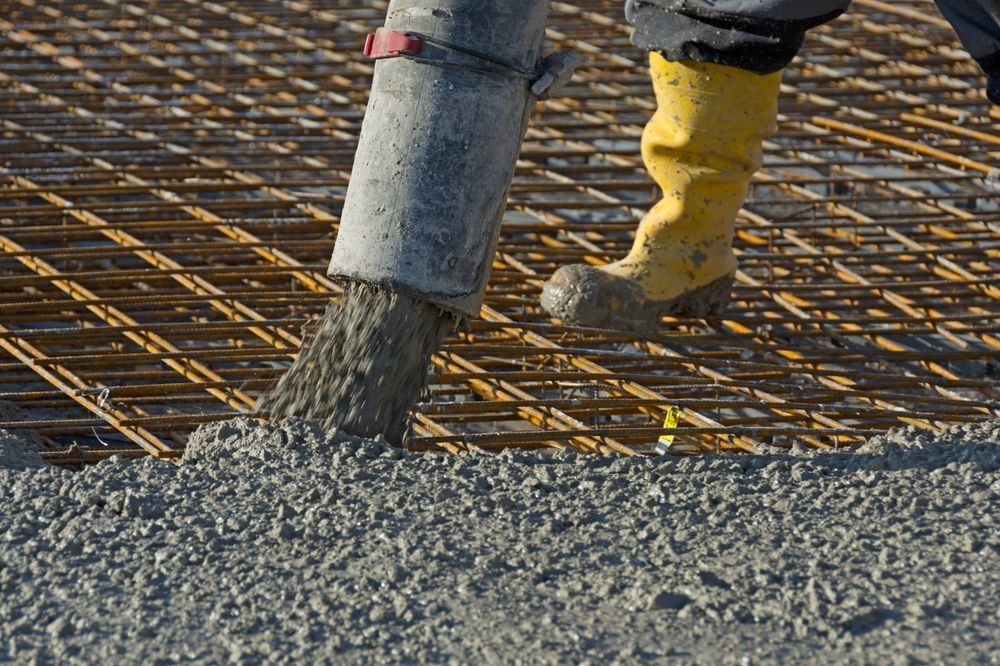
Steel reinforcement helps address these weaknesses by working alongside concrete to support structural loads. From residential slabs and driveways to commercial foundations and retaining walls, reinforcing steel plays an important role in construction.
For concreters, builders and property developers sourcing
steel supplies in Nowra, understanding how reinforcement works can help with material selection, project planning and structural performance.
Why Does Concrete Need Steel Reinforcement?
Concrete performs well under compression, meaning it can withstand substantial forces pushing against it. However, it is comparatively weak under tension, which occurs when materials are pulled or stretched. These forces can develop when slabs bend under loads or structural components experience movement. Steel reinforcement helps manage tensile forces, allowing the combined materials to perform more effectively than concrete alone.
The relationship between steel and concrete becomes clearer when examining:
- Concrete's ability to resist compressive forces from buildings, vehicles and other loads.
- Steel's tensile strength, which helps resist stretching and bending forces.
- The bond between concrete and reinforcement, allowing loads to transfer between both materials.
By combining their different strengths, reinforced concrete can support a broader range of structural applications.
How Steel Reinforcement Strengthens Concrete Structures
Reinforcing steel is embedded within concrete in positions determined by the structural design. As loads are applied, the materials work together to resist the resulting forces. Deformed reinforcing bars have surface ribs that help develop a mechanical bond with the surrounding concrete. This connection allows reinforcement to contribute to structural performance, particularly in areas exposed to tension.
Steel reinforcement supports structural performance through:
- Resisting tensile forces that plain concrete cannot withstand as effectively.
- Helping control the width and distribution of cracks caused by loading and movement.
- Contributing to structural strength when correctly specified and positioned.
The effectiveness of reinforcement depends on suitable steel products, accurate placement and compliance with engineering requirements.
Common Types Of Steel Reinforcement Used In Construction
Different concrete applications require different reinforcement configurations. Reinforcing bars, commonly called reo bars, are widely used in footings, beams, columns and other structural elements. Welded reinforcing mesh is frequently specified for slabs and pavements, providing steel reinforcement across a defined area. The appropriate product depends on the structural design, expected loads and construction requirements.
Common reinforcement products used across building projects include:
- Reinforcing bars available in different diameters for structural concrete applications.
- Welded steel mesh designed to provide reinforcement across slabs and similar surfaces.
- Reinforcing accessories that help maintain the specified positioning and concrete cover.
Selecting the correct type and grade of steel is essential, as reinforcement must match the project's engineering specifications.
The Role Of Reinforcement In Concrete Slabs & Foundations
Concrete slabs and foundations transfer loads from buildings and other structures into the supporting ground. They may also experience bending, shrinkage and movement caused by changing site conditions. Reinforcing steel is positioned according to the structural design to manage these forces and support the intended performance of the concrete. Residential slabs, industrial floors and structural footings can require different reinforcement arrangements.
When preparing reinforced concrete foundations, contractors need to:
- Follow engineering drawings specifying reinforcement size, spacing and placement.
- Use suitable bar supports or chairs to maintain the required concrete cover.
- Check reinforcement positioning before concrete is poured and access becomes restricted.
Correct installation is just as important as product selection, particularly where concrete carries significant structural loads.
How Reinforcement Helps Manage Cracking
Cracking is a common consideration in concrete construction because the material can shrink during curing and respond to changes in temperature or loading. Steel reinforcement doesn't eliminate cracking, but appropriately designed and positioned reinforcement can help control crack widths and distribution. The amount and arrangement of steel required depend on the structure's design, environmental conditions and expected performance.
Reinforcement can contribute to crack management by:
- Distributing tensile stresses across reinforced sections of concrete.
- Helping limit crack widths where reinforcement has been designed for that purpose.
- Supporting the structural response to loads and movements anticipated in the design.
Proper curing, joint placement and ground preparation remain important because reinforcement is only one part of managing concrete movement and cracking.
Why Reinforcement Quality & Compliance Matter
Reinforcing products must meet the requirements specified for the construction project. Steel with unsuitable dimensions, grades or properties may not perform as intended, even when installed correctly. Australian construction projects commonly reference applicable reinforcement standards, including AS/NZS 4671 for reinforcing steel. Contractors sourcing steel supplies in Nowra should check product specifications and relevant documentation before incorporating materials into structural work.
When selecting reinforcing products, it's worth checking:
- Whether the steel grade, diameter and dimensions match the engineering drawings.
- Whether the products comply with applicable Australian standards and project requirements.
- Whether the reinforcement is in suitable condition, without damage affecting its performance.
Using correctly specified materials supports consistent construction practices and helps reduce avoidable installation problems.
The Importance Of Correct Reinforcement Placement
Even suitable reinforcement may not perform as intended if positioned incorrectly. Structural drawings specify where steel should sit within a concrete element, along with requirements for spacing, overlaps and concrete cover. During pouring, reinforcement must remain appropriately supported so it doesn't shift out of position. These details are especially important around openings, edges and areas carrying concentrated loads.
Before pouring concrete, contractors should verify:
- The reinforcement layout, bar spacing and overlaps against the approved drawings.
- The specified concrete cover and placement of reinforcement supports.
- That the steel is secured adequately to maintain its position during pouring.
Careful preparation allows reinforcement to function as part of the designed structure rather than simply being embedded within concrete.
Planning Reinforcement Supplies For Your Project
Reinforcement requirements should be established early in construction planning. Builders and concreters need to coordinate material quantities, product dimensions and delivery arrangements with their construction schedule. Ordering unsuitable materials or overlooking reinforcement components can delay preparation and affect the planned concrete pour. Accurate quantities should be developed from the relevant drawings and schedules.
Planning ahead can make the process easier by:
- Reviewing engineering documentation before preparing reinforcement orders.
- Confirming the required bar sizes, mesh specifications and supporting accessories.
- Allowing suitable time for material availability, transport and site preparation.
Clear communication between builders, concreters and suppliers helps keep reinforcement requirements aligned with the project's schedule.
Find Steel Reinforcement Supplies For Your Next Project
At BVN Landscape & Concrete Supplies, we understand the importance of having suitable materials available when preparing concrete construction projects. Whether you're working on a residential slab, commercial development or other structural application, selecting reinforcement that matches your project requirements is an important part of preparation.
If you're looking for steel supplies in Nowra, we're here to assist builders, concreters and property developers with material enquiries and help them explore available reinforcing steel products.
Contact us today to discuss your steel reinforcement requirements, check product availability and request a quote for your project.